This is a sad story because it sees the end of a part of brewing history. As I am sure most readers will know, a beer can only be classed as an Authentic Trappist Product (ATP) if:
•It is brewed by a Trappist abbey;
•It is brewed in or close to the abbey;
•Brewing is carried out or supervised by monks or nuns;
•Any profit is used to support the abbey or other charities.
St Benedict’s Abbey in the Limburg province of Flanders, the Dutch speaking region of Belgium, was a founder member of the Internal Trappist Association (ITA) which controls the ATP label. It was the smallest of them and sadly, over the last four years, had only two monks in residence. Both retired in January and, consequently, brewing of their Achel beers at the abbey has ended.
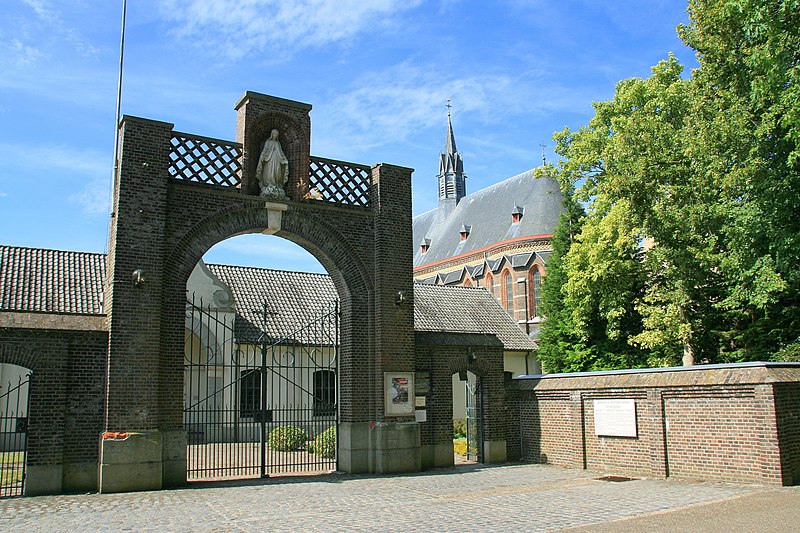
Brewing originally started in 1648 but the abbey was destroyed during the French Revolution and it was not re-established until 1844, with brewing starting again in 1852. The monks were driven out during the First World War and, in 1917, German forces broke up the brewing equipment to take its copper content. Brewing did not then start again until 1998 when the brewery was rebuilt with the assistance of monks from two other Trappist breweries, Westmalle and Rochefort.
Production of the beer is however set to continue, with Westmalle coming to the rescue again. It will be rebranded.
For the record, the founding members of the International Trappist Association were Orval, Chimay, Westvleteren, Rochefort, Westmalle and Achel from Belgium, Koningshoeven from the Netherlands and Mariawald from Germany. The most recent abbey to be granted ATP accreditation was Mount Saint Bernard in Leicestershire (2018) who brew Tynt Meadow (7.4% ABV).