I mentioned the Masons Arms in Harlesden in the Trade News column. Although it has been opened out, the pub retains some exceptional Victorian fittings, including the original bar counter and bar-back, and rates one star on CAMRA’s inventory of historic pub interiors. Formerly a Greene King pub, it closed in 2024 and was sold to developers for £2.5 million last year. The new owners have now applied to Brent Council for permission to demolish the building and replace it with a six-storey block of 26 flats with a public house (sui generis) on the ground floor. They also want to relocate an adjacent listed water trough. Both CAMRA’s London Pubs Group and North London branch have become involved and have urged people to register objections, although the closing date will have passed by the time you read this. If readers want to see the application, the reference number is 26/0807. North London branch’s pub preservation officer, Joanne Scott, has also applied to Historic England to have the pub statutorily listed. We will keep readers posted.

There is also concern over the William (formerly the William IV) just down the road. It is another impressive pub and rates three stars on CAMRA’s inventory although it is not listed. Closed in March, it had been operated by Loci pubs whose website says, ‘Regrettably, the William has now closed. Thank you to everyone who visited and supported us’. The freehold is owned by the Wellington Pub Company. The situation is being monitored in case action is required.

Once an iconic Young’s pub, the Railway Bell in Cawnpore Street, Gypsy Hill recently came under threat. Having been sold to Punch Pubs as part of the Ram Pub Company in the summer of 2021, it was sold on to developers and closed in June 2023. There appears to be no suggestion that this popular community local, the Evening Standard Pub of the Year in 1981, was failing. A planning application was submitted in February by Londres Developments Limited for its conversion to nine single bed units, which suggests that it would be little more than a glorified house in multiple occupation (HMO). HMOs appear to be the current fad with developers, replacing student accommodation. Unfortunately, pubs are often well suited to conversion to HMOs.
The Railway Bell, dating from the 19th century and locally listed by Lambeth Council as a rare two-storey ‘cottage’ public house, is an attractive building with a wood and tile frontage, although it is neither statutorily listed nor listed as an ACV. A local group, the Railway Bell Friends, was formed to campaign to save the pub and I’m pleased to say that they were successful, with Lambeth’s planning committee rejecting the planning application on 17 April. The campaign issued some impressive guidance on making an appeal against the application that is worth a look. It can be found at https://railwaybellfriends.org. For those who wish to see the planning application itself, the reference number is 26/00528/FUL. It is, of course, open to the owners to appeal to the Planning Inspectorate but so far, so good.

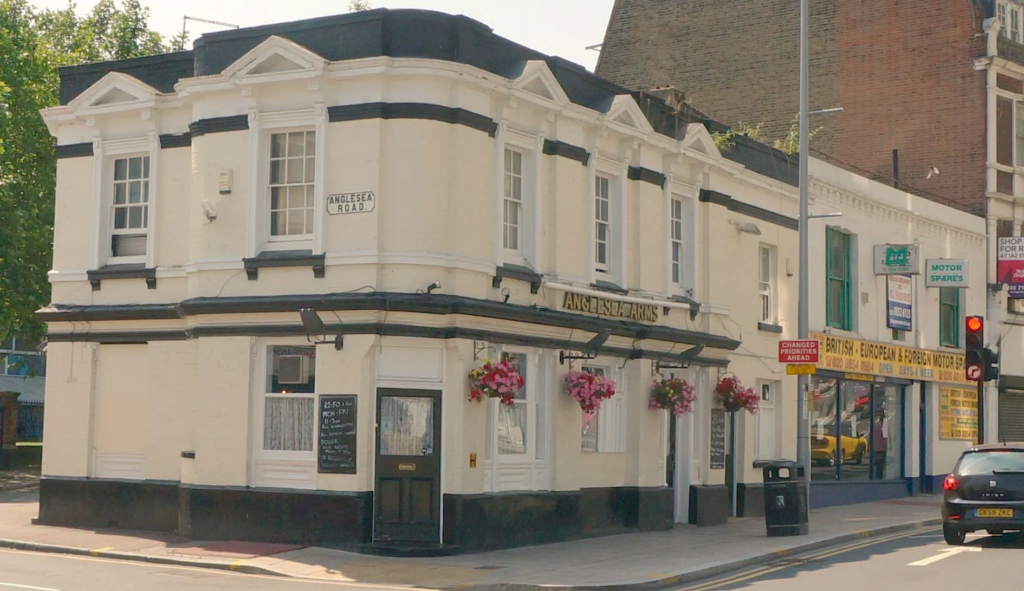
There is similar news of the Anglesea Arms in Woolwich. This attractive corner pub, dating from 1850 and formerly owned by Shepherd Neame, closed in early 2025. Planning permission was sought to demolish it and replace it with a four-storey block of seven flats and a ground floor commercial space (Class E) which the developers said was intended to be ‘a space for gathering the local community’. I would have thought that the existing pub could do that. It is not statutorily listed but is on the local heritage list and within the Woolwich Conservation Area. Greenwich Council refused the application on the grounds that the applicant had submitted insufficient information as regards the pub’s commercial viability and that the loss of what was considered to be an important social community asset went against the Royal Greenwich Local Plan. There were also concerns about the quality of the accommodation. Again, it is open to the owners to appeal to the Planning Inspectorate but so far, so good here too.
When I last mentioned the Bell (the Rat) in Walton-on-the- Hill in our August/September 2025 edition, the situation was looking grim with the local council having granted planning permission to convert the pub to residential use. There may yet be hope. CAMRA’s Pub Heritage Group applied to Historic England for a statutory listing and this has been successful. The Bell is now Grade II-listed. The primary reason for the listing is the pub’s rare and complete 1950s interior in Charrington’s ‘house style’, specifically the public and saloon counters, the bar stillion with illuminated signage, fireplaces, fielded panelling, doors, leaded glazing, fixed seating, plaster relief motifs and decorative cornices. The hope is that the listing will make conversion to residential use a less attractive proposition. The planning permission was granted to the owners, the Brakspears Pub Company, who have yet to sell it to a developer. The pub is still open, although the current licensee’s tenancy ends this summer. There is still a chance that it may remain a pub, something that the area needs.
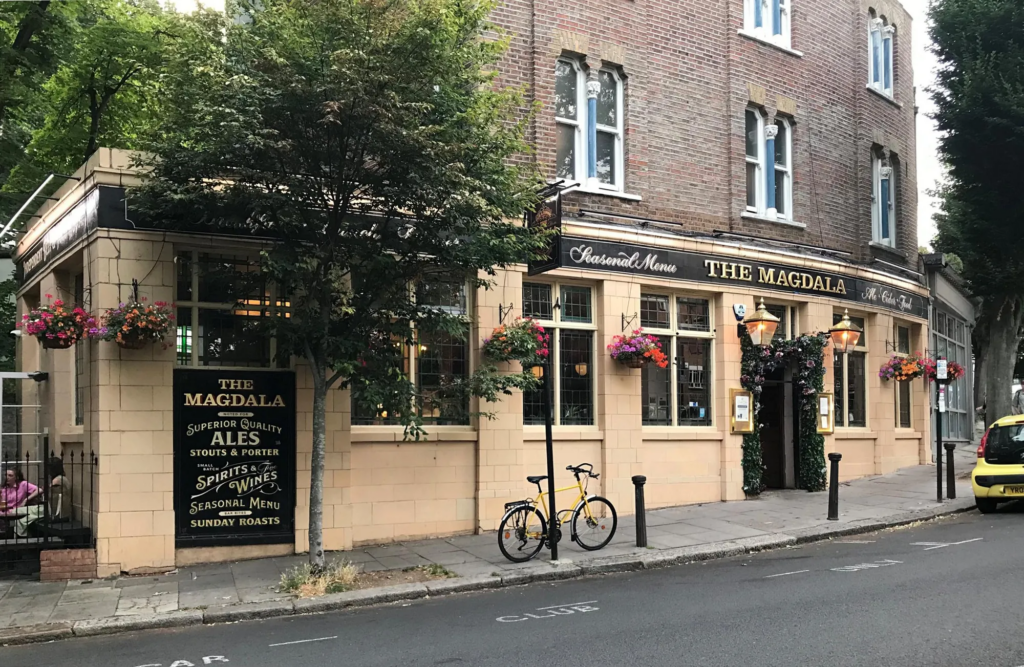
An interesting situation has arisen with the Magdala in Hampstead. The upper floors have long been converted to residential use but the function room on the first floor remained. This was until the owner decided to convert it into a flat without planning permission in 2024. A retrospective planning application has been lodged with Camden Council but this is being opposed by local residents, the Heath and Hampstead Society and CAMRA who want the reinstatement of a much-needed community facility. They wish to see a return to the comedy nights, environmental talks, birthdays and celebrations that it was previously used for. Although the application was registered as long ago as November 2024, there have been delays and the deadline for comments was only 13 April this year. More to come in due course.
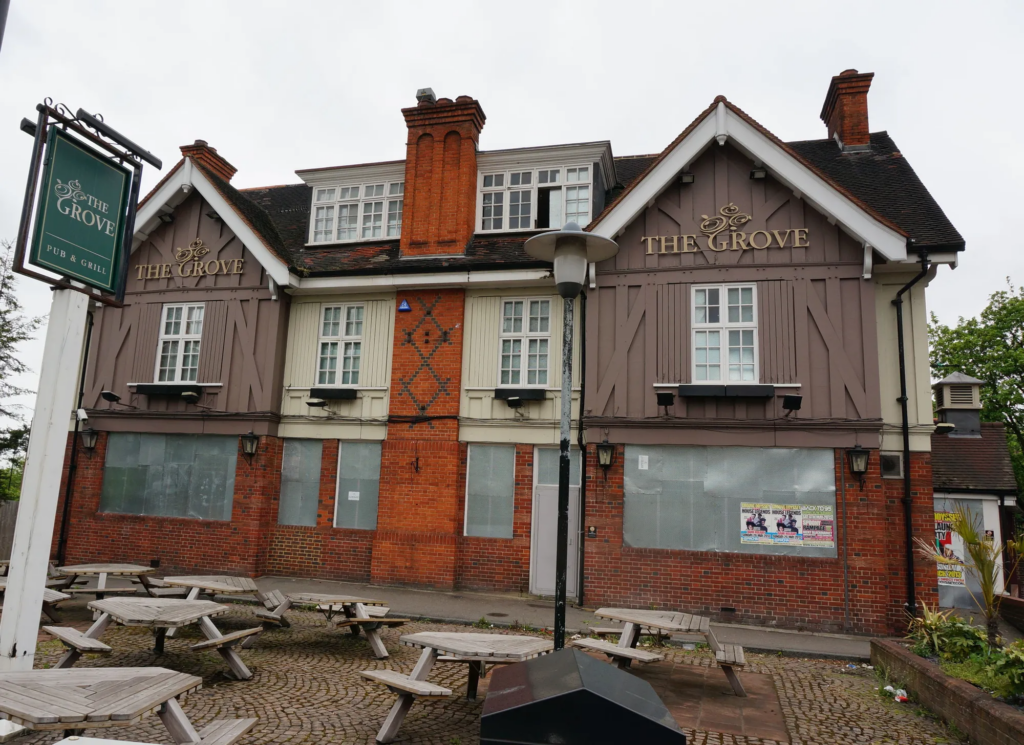
It looks like the end for the Grove in East Dulwich. The pub closed in August 2012 following a fire. The freeholders are the Incorporated Trustees of the Dulwich Estate and, at the time, it was leased to Stonegate. Their lease ended in September 2025 since when the Dulwich Estate has been in negotiations with the Borough of Southwark as to its future. The Council wanted it to remain a pub but it was judged to be beyond repair. In April, the Dulwich Estate applied for planning permission for ‘demolition of the existing building on site, erection of a fence and gates, and meanwhile use of a site as a growing garden’. This is however only temporary and the long-term use of the site is still not known. Comments on the application closed on 7 May.
Heritage podcast
CAMRA’s chief executive, Tom Stainer is a trustee of the National Brewery Heritage Trust. The Trust has recently launched a podcast, looking at the people and stories behind our brewing heritage. The first episode discusses why Burton ended up as the brewing capital of the UK. Tom says that it is a fun, accessible and fascinating listen. Go to https://www.breweryheritage.com/podcast/.
Multiple preservation
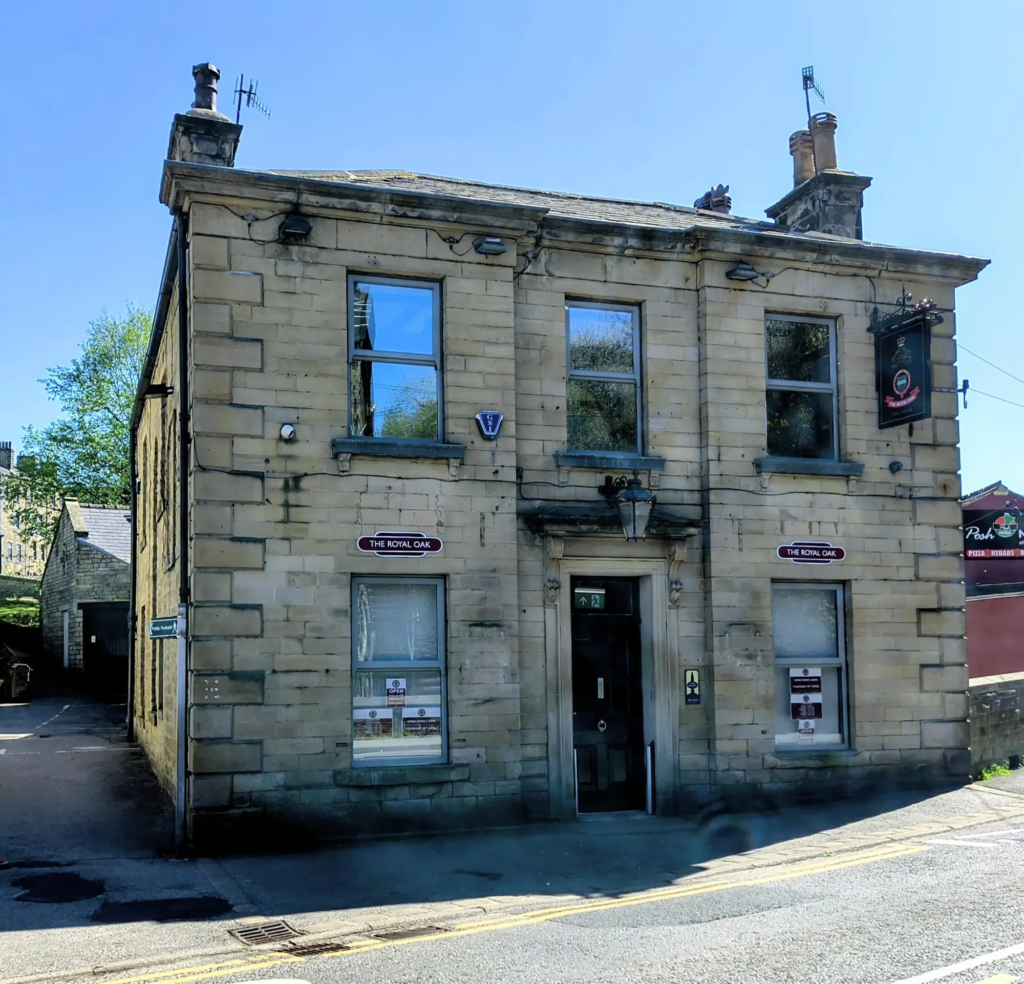
Not in London but still a nice story. The Royal Oak in Haworth, Yorkshire (the home of the Bronte sisters) was regularly frequented by volunteers from the Keighley & Worth Valley Railway, being opposite the station. Sadly, this former Webster’s house closed in 2024 but it reopened at the end of April, having been acquired by the K&WVR themselves. It serves four cask beers, two regular and two guests, and there is always one dark beer.
London’s Real Heritage Pubs
If you are a fan of pubs that have been able to retain interiors or internal features of historic importance, then this book is for you. It covers 249 London pubs, ranging from simple inns to ornate Victorian drinking palaces and promotes the need to celebrate and protect what genuine pub heritage we have left. It includes many excellent full-colour photographs and informative articles. It is available on-line from the CAMRA shop.
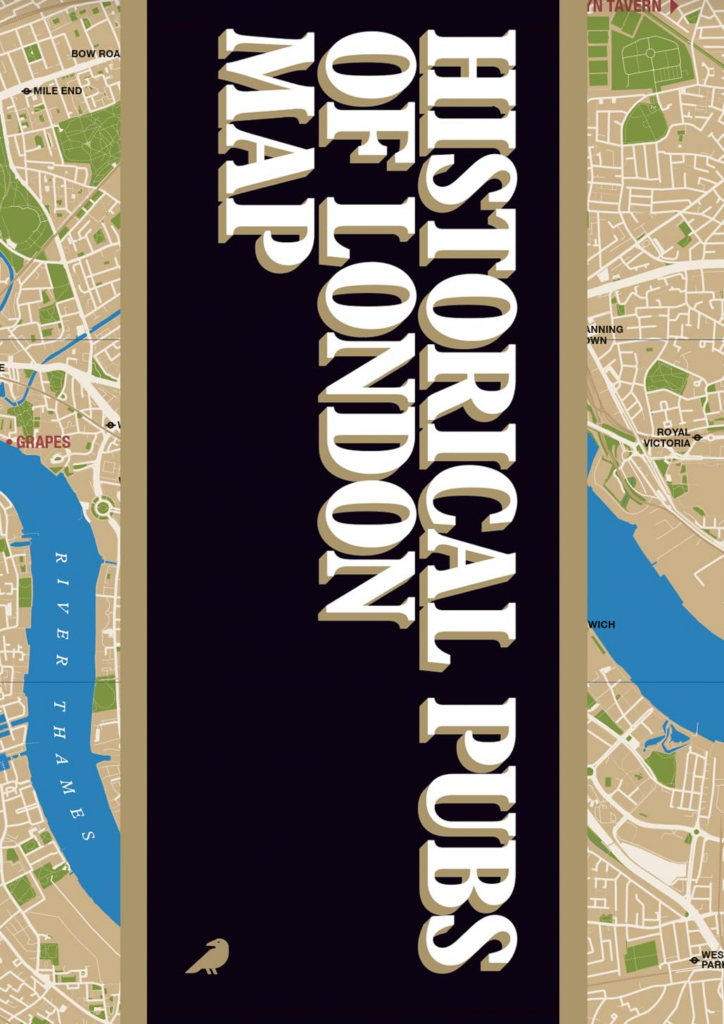
Historical Pubs of London Map
If you have visitors to show around London’s historic pubs or, indeed, if you just want to visit on your own, may I recommend the above, published by Blue Crow Media. It comes in flat sheet format but it is handy enough to use on the move. Blue Crow Media specialise in architectural guides and maps which, I suspect, many Londoners will find interesting. They also cover places abroad. You can buy the pub map on-line at https://bluecrowmedia.com/products/historical-pubs-of-london-map and their shop is at https://bluecrowmedia.com/collections/all.