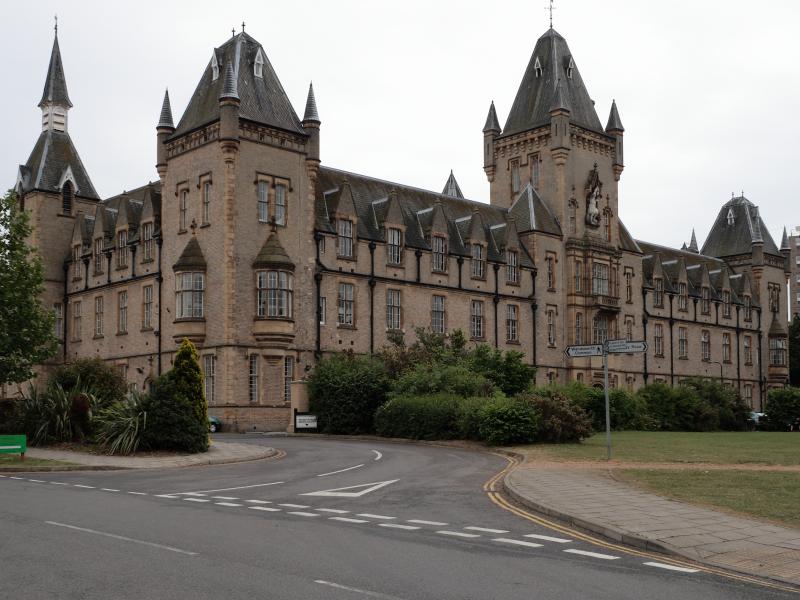
Cause for concern
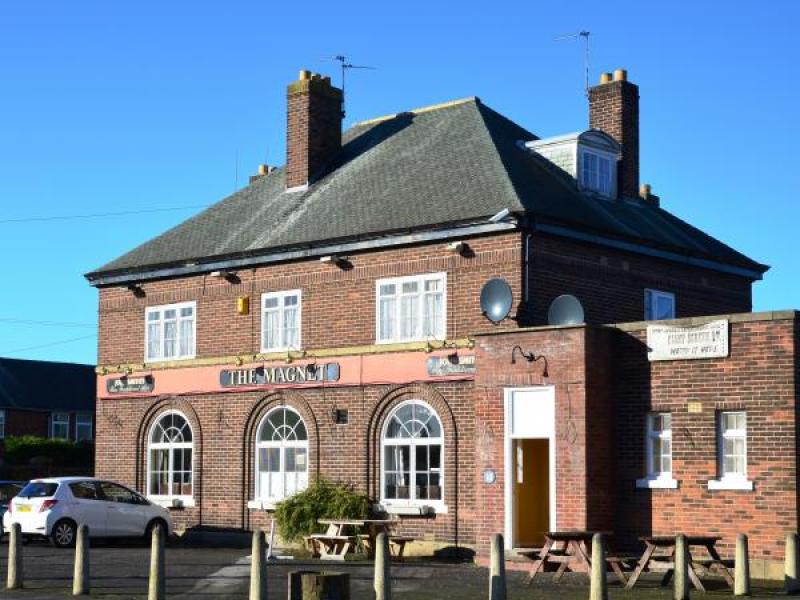
The following comes from CAMRA’s November Pub Heritage Bulletin. Although it does not refer to a London pub, the Planning Inspectorate cover the whole country and so it is significant. The Magnet, described as the best preserved 1930’s ‘Improved Public House’ in York has been demolished, having been closed in 2018 and left to deteriorate by its owners. They recently applied for planning permission to demolish it and replace it with housing. The local authority refused this but their decision was overturned by the Planning Inspectorate. The PI questioned the heritage value of the pub and decided that it had become unviable anyway because of the state of the building. I think that we, along with CAMRA’s York branch, the York Civic Trust and the local parish council, are entitled to ask whether the PI is entitled to make such a decision on a site’s heritage value. Worse however is seeing the owner’s cynical and deliberately destructive tactics rewarded in this way. It undermines any notion of the preservation of historic pubs to which CAMRA, among others, is committed.
Pub company refurbishments
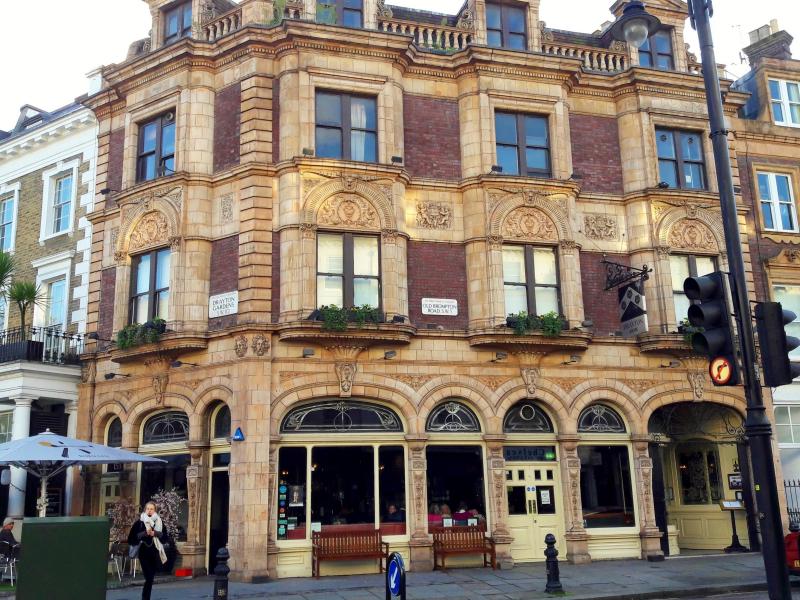
I have received criticism for mentioning pubs operated by the large pub companies but I believe that, especially in the current climate, any investment in pubs warrants a mention. This does not signify any endorsement of the company beyond that. Before Christmas, Mitchells & Butlers reopened two significant pubs. One is the Washington in Belsize Park, which is covered in the Pub News column. The other is the Drayton Arms on the Old Brompton Road. This Grade II-listed pub, dating from the 1840s and rebuilt in 1892, has a distinctive terra cotta exterior. The refurbishment has retained the wood panelling, etched glass and chandeliers and there is also an open fire. Upstairs, there is a theatre that seats 50, which was a rehearsal room in the early days of BBC TV. The food offering is ‘pub classics’, including Sunday roasts.
Historic England Pub Walks
To celebrate our historic pubs, Historic England have set up a series of pub crawls which, in their words, ‘will help you explore the unique charm of listed buildings in these city centres that were once (or are currently) used as public houses’. So far they have routes for Birmingham, Bristol, Cambridge, Manchester, Newcastle and, of course, London. The London one covers six pubs in the Cannon Street area. The site contains a map. Historic England do however make it clear that they are not ‘endorsing these venues but merely providing information on the building and its architecture, which the reader (and drinker) might find interesting’. This is part of their Missing Pieces project and those participating are invited to share their photographs and knowledge of listed pubs on the website.
Patriotic jugs
One of London’s more unusual pubs is Le Gothique, which occupies part of the Grade II*-listed Royal Victoria Patriotic Building (originally Asylum) on the edge of Wandsworth Common. The foundation stone was laid by Queen Victoria in 1857 and it opened in 1859 as a school for the orphaned daughters of army officers who died in the Crimean War, mostly from malaria than in combat.
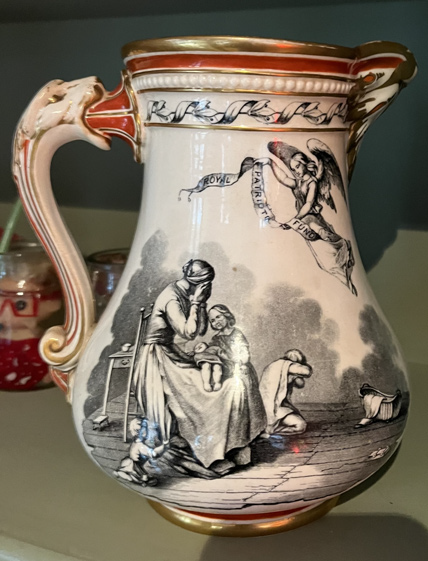
It was funded by popular subscription and each of the individual donors were given a water jug to commemorate their generosity. Mark Justin, who runs the pub, has recently been successful in acquiring one. It was made in Stoke on Trent at the celebrated Burslem factory and is dated ‘January 1, 1855’ on the bottom. It is in very good condition, given its age. Mark will put it on show as soon as he can find a suitable display case. There is another example in the Florence Nightingale Museum at St Thomas’s Hospital.
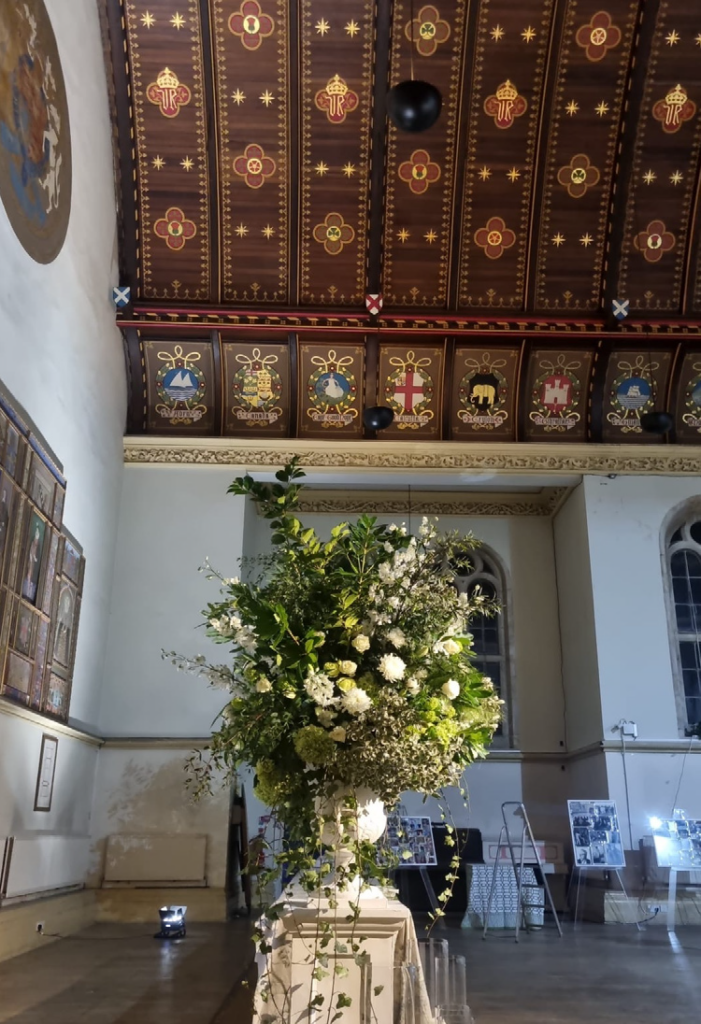
Alternatively, any institutions and Government bodies who donated had their coat of arms painted on the ceiling of the Great Hall. The appeal raised £1.5 million, a staggering amount for those days, although only £35,000 was needed to build the gothic revival style edifice. The Government eventually sequestrated the balance to fund the building of the Charing Cross Hospital. Once its days as an orphanage ended, the RVBP had an ‘interesting’ history which is worth further investigation.