As in so many parts of the world, in Costa Rica international breweries have a strong influence and that influence has recently gone up more than a notch. It is however worth looking back to understand the market.
By comparison with Europe, commercial brewing in Costa Rica is a relatively recent phenomenon. It wasn’t until 1852 when permission was granted to open a brewery. This produced Torres beer but was short lived and closed in 1861. Over the next couple of decades, a number of breweries were set up, including one by the government, but it was in 1888 that Cereveceria Globol was established, changing its name to Gran Cerveceria Traube when it relocated its brewery. Well known at the time for its Pilsen beer, the brewery was taken over by the Florida Ice & Farm Co in 1912. Pilsen continues to be produced by FIFC to this day and its sales make it number two in the market. This was FIFC’s first entry into brewing. The company had been set up four years earlier by three brothers from Jamaica, originally to produce ice and farm goods.
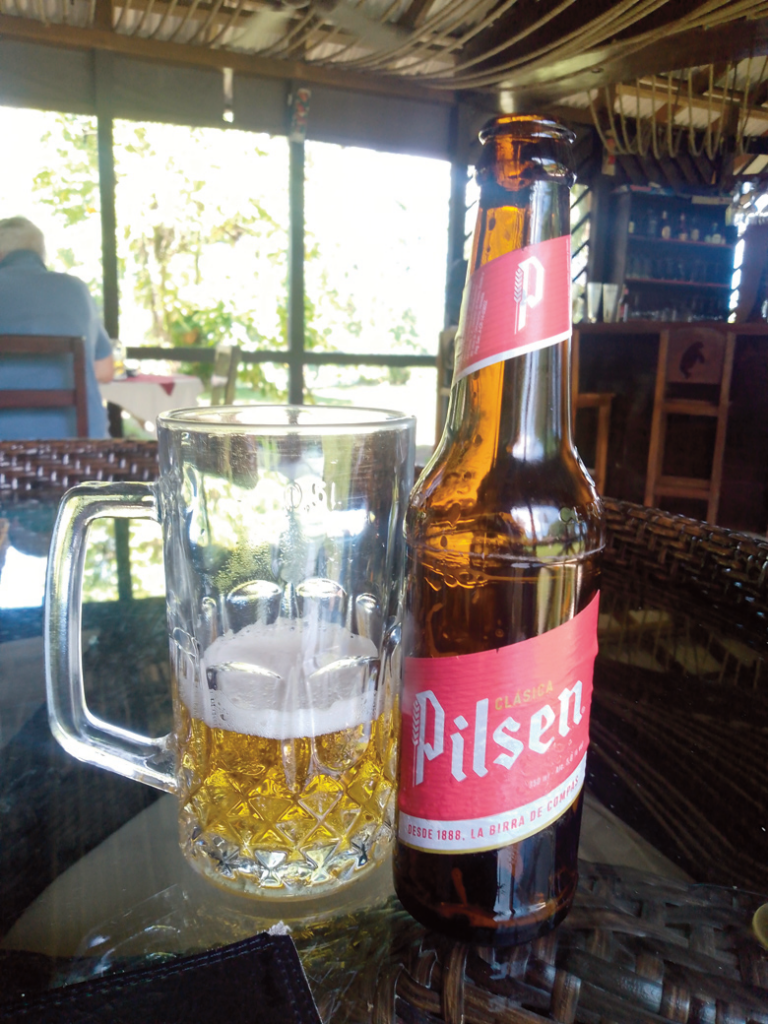
FIFC has grown steadily since that time, expanding its interests into retail and distribution. Its Imperial beer, the market leader, dates from 1924 and its Bavaria brand from 1932. You would however be hard pushed to identify that all three beers came from the same brewery; the bottle labels are less than transparent. FIFC, which has 75% of the beer market, recently announced that it is selling its core interests to Heineken; they have had a relationship with the company for over 20 years and Heineken already had a significant shareholding.
Needless to say, with FIFC’s dominance, the other breweries in Costa Rica, made up of a variety of craft brewers, are ‘also rans’ in terms of volume, although this isn’t for want of trying. Sources indicate that the first craft brewery was at a restaurant called K&S in east San Jose in the 1990s but it was short lived. However, it did spark some interest and, a few years later, a dedicated craft beer bar called Cabeza Grande opened in San Jose, eventually relocating to the Arenal area. It evolved into the Lake Arenal Brewery (and Hotel) which still exists today. However, most people believe that it was the launch in 2010 of the Costa Rica Craft Brewing Co in San Jose that really kicked off the craft beer market. The interest in craft brewing was also helped by the increasing access to home brewing supplies assisted by two companies, TicoBirra and La Bodega de Chema, who began importing ingredients and equipment in about 2012. Home brewers are, of course, well known for driving the craft beer movement in many countries.
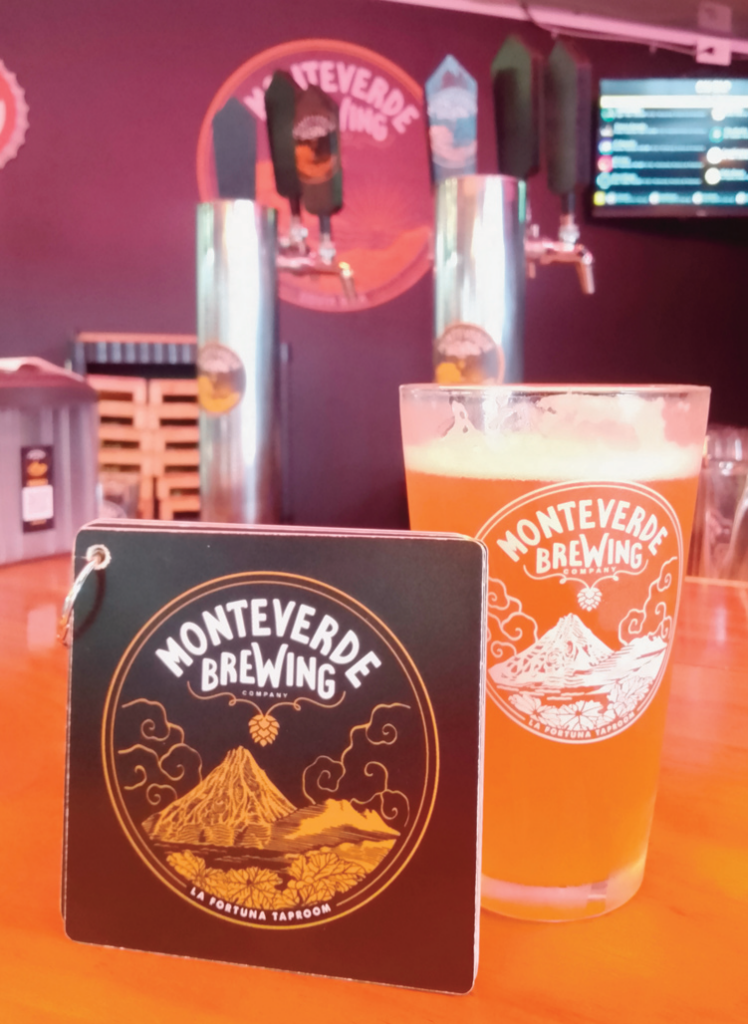
Since then, the number of craft brewers has grown with some, such as Monteverde, having a tap room in another town (La Fortuna) as well as their original brewery and tap room in Monteverde. However, most breweries have a relatively local distribution through the many independently run bars. The exact number of craft brewers in Costa Rica is difficult to ascertain but estimates indicate that there are around 200, with most tourist areas offering one or two usually local beers, mainly in bottles. These are of variable quality with some excellent but others exhibiting brewing faults, generally hygiene or fermentation problems. It isn’t easy brewing beer in a warm country.
What they may lack in expertise, they certainly make up in creativity. You’ll find the usual lagers and American influenced beers (it can take just four hours to travel from the USA) alongside plenty of beers with added herbs, spices and fruit such as 5inco Amigos Blonde Ale Con Pitaya (dragon fruit).
So, what of the future? Beer tourism and a gradual shift from spirits and wine is helping to grow the market, which is estimated to expand at over 5% per annum for the next few years. But craft beer may still have a bit of an uphill struggle with local drinkers. Conversations with bar tenders indicated that Costa Ricans tended to stick with the FIFC beers and one said ‘Craft beer isn’t that popular with locals as it’s got too much taste’, although he (a local) admitted that his favourite beer was a barley wine!
Costa Rican brewers also have a problem in that they have to import ingredients such as hops, although they do grow barley malt locally. Also, as in most countries, brewers bemoan government regulation but there is also no doubt that, given a competitor with 75% of the market and now access to the deep pockets of Heineken, there are definitely easier countries in which to be a craft brewer.
Christine Cryne